
For the thousands of seniors living with diabetes in Waterdown and the greater Hamilton area, foot health isn’t just about comfort—it’s about preventing life-altering complications. Diabetic foot care represents one of the most critical yet often overlooked aspects of diabetes management, particularly for older adults who may already face mobility challenges and other health concerns.
According to Diabetes Canada, people with diabetes are at significantly higher risk for foot complications, with diabetic foot problems accounting for more hospital admissions than any other diabetes-related complication. The good news is that with proper professional diabetic foot care, the vast majority of these complications are preventable.
Understanding Why Diabetic Foot Care Is Critical for Seniors
Diabetes affects the feet in ways that make professional care essential rather than optional. Understanding these effects helps seniors and their families appreciate why regular care should be a non-negotiable part of diabetes management.
How Diabetic Neuropathy Affects Foot Health
One of the most significant ways diabetes impacts feet is through diabetic neuropathy—nerve damage caused by prolonged elevated blood sugar levels. This nerve damage typically affects the extremities first, with the feet being particularly vulnerable.
When neuropathy develops, seniors may lose sensation in their feet, making it difficult or impossible to feel pain, heat, cold, or pressure. While this might sound like a minor inconvenience, the implications are serious. A small cut, blister, or pressure sore that would normally cause immediate discomfort can go completely unnoticed. Without the warning signal of pain, these minor injuries can progress to serious infections before anyone realizes there’s a problem.
Professional diabetic foot care includes regular assessment for neuropathy, including monofilament testing that checks nerve function in the feet. Early detection of nerve damage allows for more vigilant monitoring and preventive care.
The Role of Poor Circulation in Diabetic Foot Complications
Diabetes also affects blood circulation, particularly to the extremities. Reduced blood flow to the feet means that injuries heal more slowly, infections are harder to fight, and the skin and tissues receive less of the oxygen and nutrients they need to stay healthy.
For Waterdown seniors with diabetes, this combination of reduced sensation and impaired healing creates a dangerous situation. A small wound that would heal quickly in a person without diabetes can become a chronic ulcer that resists treatment. In severe cases, these complications can lead to gangrene and amputation.
Regular foot care appointments allow trained professionals to monitor circulation, identify early signs of problems, and implement preventive strategies before minor issues become major health crises.
Common Diabetic Foot Problems That Require Professional Care
Several foot conditions pose particular risks for seniors with diabetes. Understanding these conditions helps families recognize when professional foot care is needed.
Diabetic Foot Ulcers: Prevention Through Professional Care
Foot ulcers are open sores that develop when skin tissue breaks down, exposing the layers beneath. For people with diabetes, these ulcers typically form on the ball of the foot or the bottom of the big toe, though they can occur anywhere. Once an ulcer develops, the combination of neuropathy (which prevents the person from feeling the damage) and poor circulation (which impairs healing) can allow the ulcer to worsen rapidly.
Professional foot care focuses heavily on ulcer prevention through regular inspection, proper nail care, callus management, and education about daily foot checks. When performed consistently, these preventive measures dramatically reduce ulcer risk.
Why Calluses and Corns Are More Dangerous for Diabetics
While calluses and corns are common foot issues for many people, they carry additional risks for those with diabetes. These thickened areas of skin can crack and become entry points for infection. Additionally, the pressure that causes calluses can eventually lead to tissue breakdown beneath the hardened skin, potentially developing into ulcers.
Seniors with diabetes should never attempt to remove calluses or corns themselves using over-the-counter treatments, which can damage healthy tissue and create wounds. Instead, professional care providers use proper techniques and sterilized equipment to safely manage these conditions.
Ingrown Toenails and Diabetic Foot Care
Ingrown toenails occur when the edge of a nail grows into the surrounding skin, causing pain, swelling, and potential infection. For diabetics, even this seemingly minor condition can lead to serious complications if not properly treated.
Professional podologists can address ingrown toenails safely using proper techniques. In some cases, a BS brace may be applied to guide the nail to grow correctly, preventing recurrence without surgical intervention.
Fungal Infections and Their Impact on Diabetic Feet
Fungal infections of the toenails and skin (athlete’s foot) are more common in people with diabetes and can be more difficult to treat. These infections can cause the skin to crack, creating openings for bacterial infections. Thickened, fungal nails are also harder to trim properly and can cause pressure injuries.
Regular diabetic foot care includes monitoring for fungal infections and proper nail management to minimize risks associated with these conditions.
Professional Diabetic Foot Care Services for Waterdown Seniors
For seniors in Waterdown and throughout the Hamilton area, accessing quality foot care has traditionally meant traveling to clinics—a challenge for those with mobility limitations. Mobile podology services solve this problem by bringing professional diabetic foot care directly to seniors’ homes.
Comprehensive Diabetic Foot Assessment
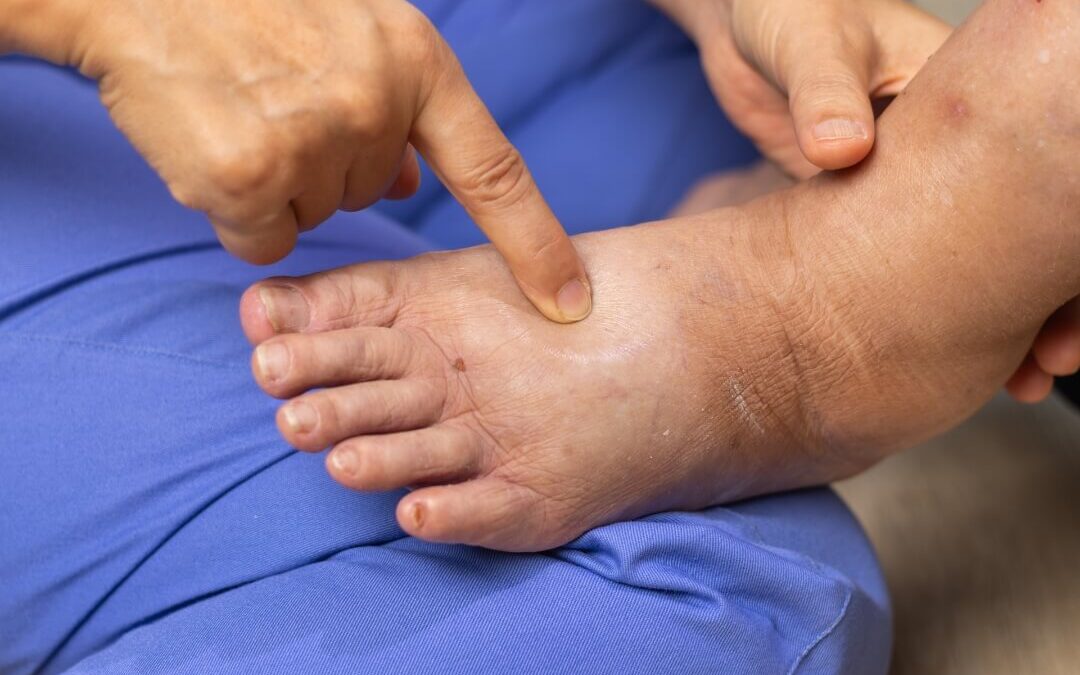
Every diabetic foot care appointment should begin with a thorough assessment. Trained podologists examine the feet and lower legs for:
- Signs of neuropathy or changes in sensation
- Circulation problems indicated by skin colour, temperature, or pulse
- Cuts, blisters, or breaks in the skin
- Signs of infection such as redness, swelling, or warmth
- Calluses, corns, or areas of pressure
- Nail conditions including fungal infections or ingrown nails
- Foot deformities that may increase risk
Monofilament Testing for Diabetic Neuropathy
Monofilament testing is a simple but important component of diabetic foot care. During this test, the podologist touches specific points on the feet with a thin, flexible fiber. The patient indicates whether they can feel the touch. This test helps identify areas where sensation has been lost, allowing for targeted monitoring and preventive care.
For Waterdown seniors receiving in-home diabetic foot care, monofilament testing can be performed in the comfort of their own living room, making this essential screening more accessible.
Safe Nail Care for Diabetic Seniors
Proper nail care is essential for preventing complications, but it requires special attention for people with diabetes. Nails must be trimmed carefully to avoid cuts, and the shape of the cut affects ingrown nail risk. Thickened nails—common in older adults—require professional tools and techniques to manage safely.
Professional diabetic foot care providers use sterilized equipment and proper techniques to trim and file nails safely. They can also identify and address nail conditions like fungal infections that might otherwise go unnoticed.
Professional Callus and Corn Management
Regular removal of calluses reduces pressure on underlying tissues and decreases ulcer risk. Professional podologists use proper equipment to debride (remove) callused tissue safely, without damaging healthy skin or creating wounds that could become infected.
Why In-Home Diabetic Foot Care Makes Sense for Waterdown Seniors
Waterdown’s charming village atmosphere and strong community make it an appealing place to age in place. However, like many communities in the Hamilton area, accessing healthcare services can be challenging for seniors with limited mobility or those who no longer drive.
Eliminating Transportation Barriers to Diabetic Foot Care
Getting to medical appointments requires either driving, arranging rides from family members, or using transportation services. For seniors managing multiple health conditions, coordinating these logistics can be exhausting. When diabetic foot care comes to the home, this barrier disappears entirely.
Mobile diabetic foot care services bring all necessary equipment directly to the senior’s home, whether they live independently, in a retirement residence, or in a long-term care facility. The service comes to them, making it easier to maintain the regular schedule of care that diabetes management requires.
Comfort and Reduced Stress
Receiving care in familiar surroundings reduces stress and anxiety, which can be particularly beneficial for seniors with cognitive changes or those who become easily fatigued. The one-on-one attention of in-home care also allows for more thorough appointments without the time pressure of a busy clinic schedule.
Enabling Family Involvement in Diabetic Foot Care
When diabetic foot care happens at home, family caregivers can easily be present. This allows them to learn what to look for between professional appointments, ask questions about their loved one’s foot health, and stay informed about any concerns the podologist identifies.
How Often Should Diabetic Seniors Receive Professional Foot Care?
The frequency of professional diabetic foot care depends on individual risk factors. Seniors with well-controlled diabetes and no signs of neuropathy or circulation problems may do well with appointments every 8-12 weeks. Those with higher risk factors—including existing neuropathy, history of foot ulcers, or poor circulation—may need more frequent care, sometimes as often as every 4-6 weeks.
A qualified podologist can recommend an appropriate schedule based on a comprehensive assessment of the individual’s feet and overall health status.
Daily Diabetic Foot Care Tips for Between Professional Appointments
While professional diabetic foot care is essential, daily self-care plays an equally important role in preventing complications. Podologists typically educate their clients and family caregivers on proper daily foot care practices.
Key daily diabetic foot care practices include:
- Daily inspection: Check feet every day for cuts, blisters, redness, swelling, or nail problems. Use a mirror to see the bottoms of feet, or ask a family member to help.
- Gentle washing: Wash feet daily in lukewarm (not hot) water. Dry thoroughly, especially between toes.
- Moisturize carefully: Apply lotion to prevent dry, cracked skin, but avoid putting lotion between toes where moisture can promote fungal growth.
- Proper footwear: Always wear shoes and socks to protect feet. Check inside shoes for foreign objects before putting them on.
- Avoid temperature extremes: Test bath water with elbows, not feet. Never use heating pads on feet.
- Never go barefoot: Even at home, wear slippers or shoes to prevent injuries.
Choosing a Diabetic Foot Care Provider in Waterdown
When selecting a provider for diabetic foot care, families should look for:
- Specific training in diabetic foot care: Not all podologists have specialized diabetic training
- Experience with senior clients: Understanding the unique needs of older adults
- Proper sanitation protocols: Equipment sterilization that meets healthcare standards
- Background screening: Police vulnerable sector checks for all staff
- Comprehensive services: Including assessment, nail care, callus management, and neuropathy testing
- Clear communication: Willingness to explain findings and educate clients and families
Protect Your Feet, Protect Your Future
For diabetic seniors in Waterdown, professional foot care isn’t a luxury—it’s a medical necessity that can prevent devastating complications. The combination of diabetic neuropathy and poor circulation creates a dangerous situation where minor problems can quickly become major health crises. Regular diabetic foot care catches problems early, when they’re easiest to address, and helps prevent complications before they develop.
In-home diabetic foot care services make this essential care accessible to seniors who might otherwise struggle to attend clinic appointments. By bringing professional podology services directly to Waterdown homes, mobile providers ensure that diabetes-related foot complications don’t have to be an inevitable part of aging with diabetes.
If you or a loved one in Waterdown or the greater Hamilton area needs professional diabetic foot care, contact Senior Necessities today to schedule an in-home appointment. Our trained podologists specialize in diabetic foot care, bringing expert assessment and treatment to seniors in the comfort of their own homes.
Recent Comments