
Ingrown toenails are more than just a minor annoyance—for seniors, they can become a serious health concern that affects mobility and quality of life. What might heal quickly in a younger person can lead to infection, prolonged pain, and complications for older adults, especially those with diabetes or circulation problems. Professional ingrown toenail treatment in Cambridge delivered by trained podologists provides safe, effective solutions right in the comfort of your own home.
If you or a loved one is dealing with the pain and discomfort of an ingrown toenail, understanding your treatment options—and why professional care matters—can help you make the right decision for your health.
What Causes Ingrown Toenails in Seniors?
Ingrown toenails occur when the edge of the nail grows into the surrounding skin, causing pain, swelling, and potential infection. While anyone can develop this condition, seniors face unique risk factors that make ingrown toenails more common and more problematic.
Age-Related Nail Changes
As we age, toenails naturally become thicker, harder, and more curved. These changes make nails more difficult to trim properly and increase the likelihood of edges digging into the skin. Reduced blood flow to the feet can also affect nail growth patterns, contributing to irregular shapes that are prone to becoming ingrown.
Improper Nail Trimming
Many ingrown toenails result from cutting nails incorrectly—trimming them too short, rounding the corners, or tearing rather than cutting cleanly. For seniors who struggle to reach their feet or see clearly, proper nail trimming becomes increasingly difficult. Well-meaning family members without proper training may inadvertently cause problems by trimming nails incorrectly.
Footwear and Pressure
Shoes that are too tight, too narrow, or that put pressure on the toes can force nail edges into the skin. Seniors may not notice ill-fitting footwear as readily due to reduced sensation in their feet, allowing the problem to develop over time without awareness.
Health Conditions That Increase Risk
Certain conditions common among seniors increase ingrown toenail risk and complications. According to Diabetes Canada, people with diabetes need to take special care of their feet due to neuropathy and circulation issues. Other conditions like peripheral artery disease, arthritis, and fungal nail infections also contribute to ingrown toenail problems.
Why DIY Ingrown Toenail Treatment Is Risky for Cambridge Seniors
While younger adults might successfully manage a mild ingrown toenail at home, seniors face significantly higher risks from self-treatment.
Increased Infection Risk
Seniors’ immune systems don’t fight infections as effectively as they once did. What might be a minor issue for a younger person can quickly become a serious infection requiring antibiotics or even hospitalization. Attempting to dig out an ingrown nail with unsterilized tools dramatically increases this risk.
Slower Healing
Reduced circulation means wounds heal more slowly in older adults. A small cut made while attempting to treat an ingrown toenail can take weeks to heal—and may not heal properly at all if circulation is significantly compromised. During this extended healing time, the wound remains vulnerable to infection.
Serious Diabetic Complications
For seniors with diabetes, the stakes are even higher. Neuropathy may mask pain signals, allowing an infection to progress unnoticed. Poor circulation impairs healing and immune response. What begins as a simple ingrown toenail can, in severe cases, lead to ulceration, gangrene, or even amputation. Professional treatment is essential—never optional—for diabetic seniors.
Vision and Mobility Limitations
Effectively treating an ingrown toenail requires being able to see it clearly and reach it comfortably. Many seniors struggle with both. Attempting treatment without clear vision risks cutting healthy skin or missing the problematic nail edge entirely. Unstable positioning while trying to reach the foot increases fall risk.
Professional Ingrown Toenail Treatment Options in Cambridge
Trained podologists offer several treatment approaches depending on the severity of the ingrown toenail and the patient’s overall health.
Conservative Care for Mild Cases
For early-stage ingrown toenails without infection, professional conservative care may resolve the problem. This includes proper trimming techniques, lifting the nail edge away from the skin, and placing small pieces of cotton or dental floss under the nail to encourage it to grow above the skin edge. While this sounds simple, doing it correctly requires training and proper tools.
Nail Bracing Systems
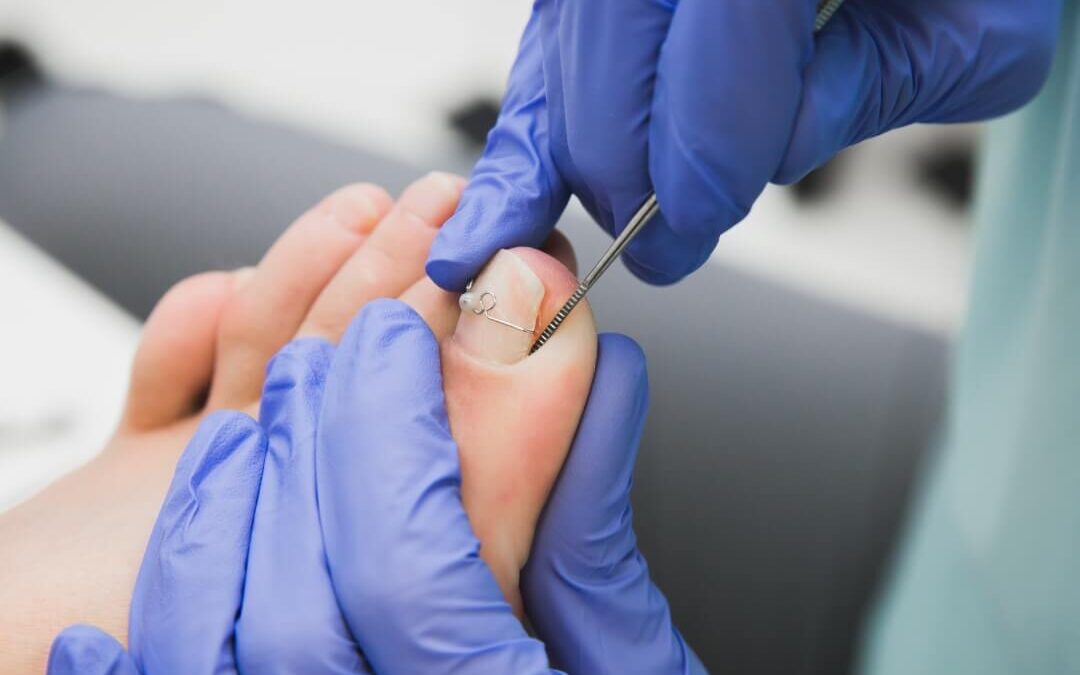
For recurring ingrown toenails, podologists may apply a specialized nail brace—a small device that gently lifts and reshapes the nail over time. The BS Brace system, for example, uses a thin composite strip bonded to the nail surface that gradually flattens the nail’s curve, preventing edges from digging into the skin. This painless treatment works over several weeks and can provide long-term relief from chronic ingrown toenails.
Partial Nail Removal
When conservative treatments aren’t sufficient, a podologist may recommend partial nail avulsion—removing the ingrown portion of the nail. This minor procedure, performed with local anesthetic, provides immediate relief from pain and pressure. The nail regrows over several months, and with proper care, the new growth often develops normally.
Permanent Solutions for Chronic Cases
For seniors who experience repeated ingrown toenails despite other treatments, a permanent solution may be recommended. This involves removing the problematic nail edge and treating the nail matrix to prevent regrowth in that area. While this slightly narrows the nail, it eliminates the recurring problem permanently.
Benefits of In-Home Ingrown Toenail Treatment in Cambridge
Mobile podology services bring professional ingrown toenail treatment directly to Cambridge seniors, offering significant advantages over clinic visits.
No Transportation Challenges
When you’re dealing with a painful ingrown toenail, the last thing you want is to arrange transportation, walk to appointments, and sit in waiting rooms. In-home treatment eliminates these obstacles entirely—the podologist comes to you with all necessary equipment.
Comfort of Familiar Surroundings
Receiving treatment in your own home reduces anxiety and allows you to relax. You can sit in your favourite chair, and there’s no stress about unfamiliar environments. For seniors with cognitive concerns, staying in familiar surroundings makes the experience much more manageable.
Unhurried, Personalized Care
Mobile podologists aren’t rushing between patients in a busy clinic. They can take time to thoroughly assess your situation, explain treatment options, answer questions, and ensure you’re comfortable throughout the procedure. This personalized attention leads to better outcomes and a more positive experience.
Preventing Future Ingrown Toenails
Once your current ingrown toenail is treated, taking steps to prevent recurrence helps you avoid future pain and complications.
Professional Nail Trimming
The most effective prevention is regular professional nail care. Podologists trim nails straight across at the proper length, avoiding the rounded corners and too-short cuts that lead to ingrown nails. For Cambridge seniors, scheduling regular appointments every 6-8 weeks keeps nails properly maintained.
Proper Footwear
Wearing shoes with adequate room in the toe box reduces pressure on nails. Your podologist can assess whether your current footwear might be contributing to nail problems and recommend appropriate alternatives.
Early Intervention
At the first sign of an ingrown toenail—redness, tenderness, or slight swelling at the nail edge—contact your podologist. Early treatment is simpler, less invasive, and prevents the problem from progressing to infection.
When to Seek Immediate Care
While most ingrown toenails can be scheduled for routine treatment, certain symptoms require prompt attention:
- Significant swelling: Redness and swelling extending beyond the immediate nail area
- Pus or discharge: Any sign of infection requires prompt treatment
- Red streaks: Lines extending from the toe indicate spreading infection
- Fever: Systemic infection signs need immediate medical attention
- Severe pain: Pain that interferes with walking or sleep
- Diabetic patients: Any foot problem in a diabetic senior warrants prompt professional evaluation
What to Expect from Your Ingrown Toenail Treatment in Cambridge
Knowing what happens during treatment helps ease any anxiety about the process.
During your in-home appointment, the podologist will:
- Assess the situation: Examine the ingrown nail and check for signs of infection
- Discuss options: Explain recommended treatments based on severity
- Provide treatment: Perform the appropriate procedure with proper pain management
- Give aftercare instructions: Explain how to care for the toe as it heals
- Schedule follow-up: Arrange any needed follow-up visits
Most conservative treatments cause minimal discomfort. If a procedure requires local anesthetic, you’ll feel only brief pressure during numbing, then nothing during the treatment itself.
Get Professional Ingrown Toenail Treatment in Cambridge
Don’t let an ingrown toenail compromise your comfort, mobility, or health. Professional ingrown toenail treatment in Cambridge brings safe, effective solutions directly to your home—no transportation hassles, no clinic waiting rooms, just expert care in comfortable surroundings.
Whether you’re dealing with your first ingrown toenail or a recurring problem, trained podologists can provide the appropriate treatment and help prevent future occurrences through proper ongoing nail care.
If you or a senior family member in Cambridge is experiencing ingrown toenail pain, contact Senior Necessities today to schedule an in-home assessment. Our certified podologists specialize in senior foot care, bringing gentle, professional treatment to homes throughout Cambridge and surrounding areas.
Recent Comments