
Falls are one of the most serious health risks facing older adults—and one of the most preventable. While many fall prevention strategies focus on home modifications and exercise, Cambridge seniors foot health plays a crucial but often overlooked role in keeping elderly individuals safe and steady on their feet. The condition of your feet directly affects balance, stability, and confidence with every step.
Understanding the connection between foot health and fall risk—and taking proactive steps to maintain healthy feet—can significantly reduce the likelihood of dangerous falls for Cambridge seniors.
The Serious Impact of Falls on Seniors
Before exploring the foot health connection, it’s important to understand just how significant falls are for older adults.
According to the Public Health Agency of Canada, falls are the leading cause of injury among Canadians aged 65 and older. Each year, approximately one in three seniors experiences a fall, and the consequences can be devastating—hip fractures, head injuries, loss of independence, and in some cases, death.
Beyond physical injuries, falls often lead to fear of falling again, causing seniors to limit their activities and become less mobile—which ironically increases future fall risk. Breaking this cycle requires addressing all contributing factors, including foot health.
How Foot Problems Increase Fall Risk for Cambridge Seniors
Your feet are your foundation. When foot problems develop, they affect everything from balance to gait to confidence while walking.
Foot Pain Alters How You Walk
When feet hurt, seniors naturally adjust how they walk to avoid pain. They may favour one foot, take shorter steps, or avoid putting full weight on painful areas. These compensations create an uneven, unstable gait that significantly increases fall risk. Conditions like plantar fasciitis, arthritis, bunions, and neuromas all cause pain that affects walking patterns.
Overgrown Toenails Affect Balance
Toenails that are too long change how the foot contacts the ground and fits in footwear. They can cause pain when walking, affect toe grip, and make it uncomfortable to wear properly fitting shoes. Thick, curved nails common in seniors are particularly problematic—they can press into the shoe or adjacent toes, causing pain that affects stability.
Calluses and Corns Create Instability
Thick calluses change the pressure distribution across the foot. Large calluses on the ball of the foot or heel can feel like walking on pebbles, causing seniors to shift weight unnaturally. Corns between or on top of toes create pain that affects push-off during walking. Both conditions alter the natural mechanics of walking.
Reduced Sensation Impairs Feedback
Healthy feet provide constant sensory feedback about the ground beneath them—texture, slope, stability. Neuropathy, common in diabetic seniors and others, reduces this feedback. Without proper sensation, seniors may not detect uneven surfaces, slippery conditions, or their foot’s position, dramatically increasing fall risk.
Foot and Ankle Weakness
The small muscles in the feet and ankles play a crucial role in balance. When these muscles weaken due to inactivity or neglect, the foot becomes less able to make the micro-adjustments needed to maintain stability. Weak ankles are more likely to roll or give way unexpectedly.
Ill-Fitting Footwear from Foot Problems
Foot problems often lead seniors to wear inappropriate footwear. Painful feet might lead to loose slippers instead of supportive shoes. Bunions or hammertoes might mean wearing shoes that are too big. Swelling might result in going barefoot. All of these increase fall risk significantly.
Common Foot Health Issues in Cambridge Seniors
Several foot conditions become increasingly common with age, each affecting stability and fall risk.
Thick, Difficult Toenails
As we age, toenails naturally become thicker, harder, and more curved. These changes make nails difficult to trim with standard clippers and more likely to become ingrown or painfully long. Many seniors simply can’t manage their own nail care safely, leading to neglected nails that affect foot function.
Dry, Cracked Skin
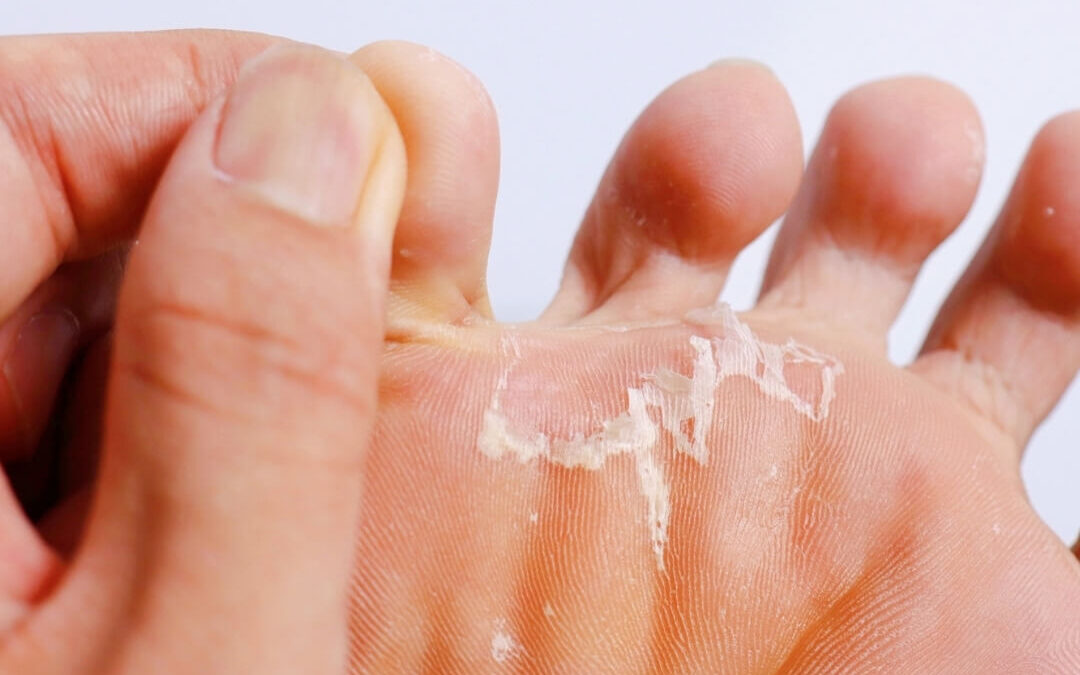
Senior skin produces less oil and retains less moisture, leading to dry, cracked feet. Deep heel fissures can be painful enough to affect walking. Dry skin is also more prone to breakdown, creating wounds that further complicate mobility.
Bunions and Toe Deformities
Bunions, hammertoes, and other deformities become more pronounced with age. These conditions affect how the foot fits in shoes, how weight is distributed, and how effectively toes can grip during walking. They also create pressure points that can become painful.
Circulation Problems
Reduced circulation affects foot health in multiple ways—slower healing, increased infection risk, muscle weakness, and temperature sensitivity. Poor circulation can also cause swelling that affects shoe fit and comfort.
How Professional Foot Care Helps Cambridge Seniors Prevent Falls
Regular professional foot care addresses the conditions that increase fall risk, keeping seniors safer and more confident on their feet.
Proper Nail Maintenance
Professional podologists keep toenails properly trimmed—not too long, not too short, with edges that won’t dig into skin or adjacent toes. This ensures comfortable shoe fit, proper toe function, and eliminates nail-related pain that affects gait.
Callus and Corn Reduction
Safe, professional callus reduction restores normal pressure distribution across the foot. Removing painful corns eliminates the discomfort that causes compensatory walking patterns. Regular maintenance prevents these issues from becoming severe enough to affect mobility.
Early Problem Detection
Professional foot care includes thorough assessment at each visit. Podologists identify developing problems—circulation changes, sensation loss, skin breakdown, structural changes—before they become serious enough to affect balance and walking. Early intervention prevents minor issues from becoming fall risks.
Footwear Assessment and Guidance
Podologists can assess whether current footwear is appropriate and safe. They can identify shoes that are too loose, too tight, lack support, or are otherwise contributing to fall risk. Proper footwear recommendations are an important part of comprehensive foot health care for Cambridge seniors.
Skin Health Maintenance
Professional foot care includes moisturizing treatments that prevent the dry, cracked skin that can make walking painful. Healthy skin is less prone to wounds and infections that could sideline a senior and reduce their overall mobility and strength.
Additional Fall Prevention Strategies for Seniors
While foot health is crucial, comprehensive fall prevention involves multiple strategies working together.
Wear Proper Footwear
Safe footwear for seniors includes:
- Low, wide heels: For stability
- Non-slip soles: To prevent slipping on smooth surfaces
- Secure fit: Shoes should stay on firmly without being too tight
- Adequate support: Good arch support and cushioning
- Enclosed backs: Avoid slip-on styles that can come off unexpectedly
Home Safety Modifications
Remove tripping hazards like loose rugs, cords, and clutter. Install grab bars in bathrooms, ensure adequate lighting throughout the home, and consider non-slip mats in wet areas. These modifications work alongside good foot health to reduce fall risk.
Stay Active
Regular physical activity maintains the strength, flexibility, and balance needed to prevent falls. When feet are healthy and pain-free, seniors are more likely to stay active—creating a positive cycle of mobility and safety.
Vision and Medication Review
Regular eye exams ensure seniors can see obstacles clearly. Medication reviews with healthcare providers can identify drugs that cause dizziness or affect balance. These factors combine with foot health to determine overall fall risk.
Benefits of Mobile Foot Care for Cambridge Seniors
Mobile podology services are particularly valuable for fall prevention because they remove barriers to regular foot care.
- No travel risks: Seniors don’t have to navigate potentially hazardous trips to appointments
- Comfortable environment: Care is provided in familiar, safe surroundings
- Home assessment: Podologists can observe footwear habits and offer relevant advice
- Regular scheduling: Easier to maintain consistent foot care when appointments come to you
- Family involvement: Caregivers can be present to learn about foot health needs
Protect Cambridge Seniors Foot Health Today
Falls don’t have to be an inevitable part of aging. By prioritizing Cambridge seniors foot health through regular professional care, you can address one of the most overlooked but important factors in fall prevention. Healthy, well-maintained feet provide the stable foundation needed for safe, confident mobility.
Don’t wait for a fall to happen before addressing foot health. Proactive care keeps seniors safer and more independent, reducing both the risk of falls and the fear that limits activity.
If you’re concerned about fall risk for yourself or a senior family member in Cambridge, contact Senior Necessities today to schedule a foot health assessment. Our mobile podologists bring professional foot care directly to homes throughout Cambridge and surrounding areas, helping seniors maintain the healthy feet they need to stay safe and active.
Recent Comments